Business
Who are the new faces in the US Senate?
By Katherine Langford
Advertisement · Why this ad?
Katherine oversees editorial operations across all six brands. Before joining The Meridan Group, she spent 14 years at the Minneapolis Star Tribune, where she led the metro desk through its digital transformation. She holds a Master's in Journalism from Northwestern's Medill School.
More from Katherine →
As the sun set over the bustling streets of New York City, a palpable sense of anticipation hung in the air. Residents gathered in cafes and community centers, discussing the implications of the recent midterm elections. For many, the results were not just a political shift; they represented a broader rejection of divisive politics and a reaffirmation of democratic values. With the Democrats retaining control of the House and gaining ground in the Senate, the election results have sparked conversations about the future of American governance and its impact on global relations.
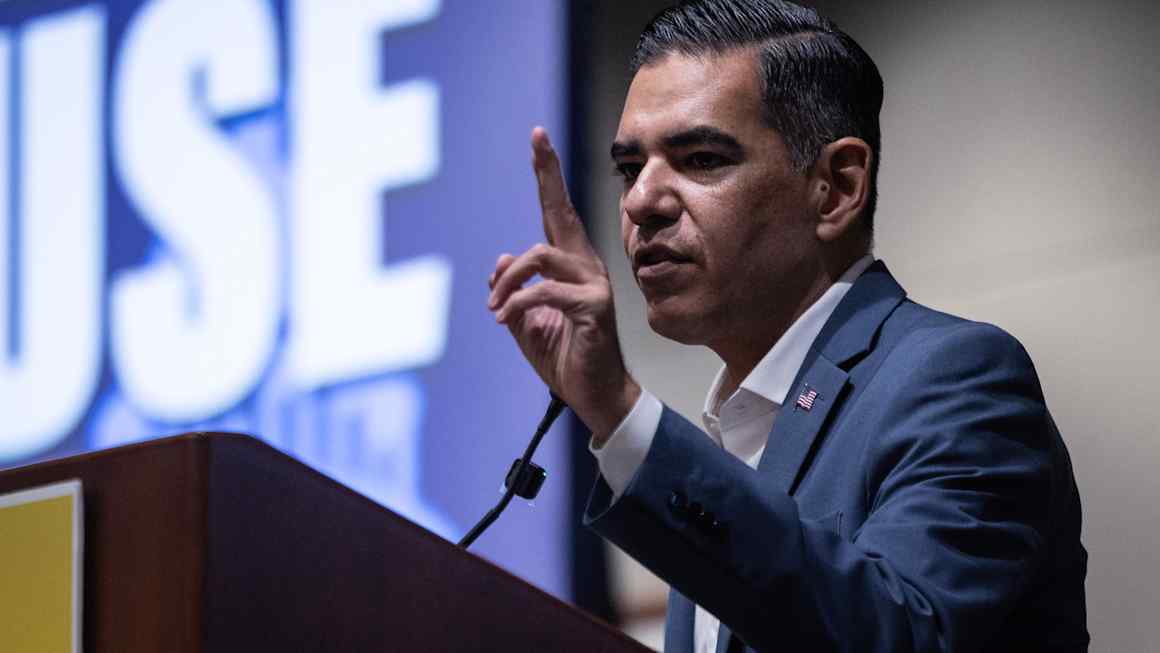
In a tightly contested election, the Democratic Party emerged victorious, a development that has been met with both relief and optimism from various quarters. The results, which saw Democrats successfully defend their majority in the House of Representatives while gaining seats in the Senate, have been interpreted by many as a repudiation of former President Donald Trump’s policies and rhetoric. This shift in power is expected to influence not only domestic policies but also the United States' role on the international stage.
European leaders, in particular, have hailed the outcome as a necessary step towards stabilizing transatlantic relations. The elections were closely monitored across the Atlantic, with officials expressing hope that the results would lead to a more collaborative approach to global challenges, including climate change and international security. The European Union has long sought to de-risk its reliance on Washington, and the midterm results may accelerate this process.
Responses from European capitals have been overwhelmingly positive. French President Emmanuel Macron noted that the election results signaled a desire for unity and cooperation, stating, “The American people have chosen a path that embraces democracy and collective action.” Similarly, German Chancellor Olaf Scholz emphasized the importance of a stable U.S. government in addressing global crises, remarking, “We must work together to face the challenges ahead.”
This sentiment was echoed by leaders from across the continent, who view the Democratic victory as an opportunity to strengthen alliances and pursue shared goals. Analysts suggest that the results may encourage European nations to engage more proactively in foreign policy initiatives, reducing their dependence on U.S. leadership.
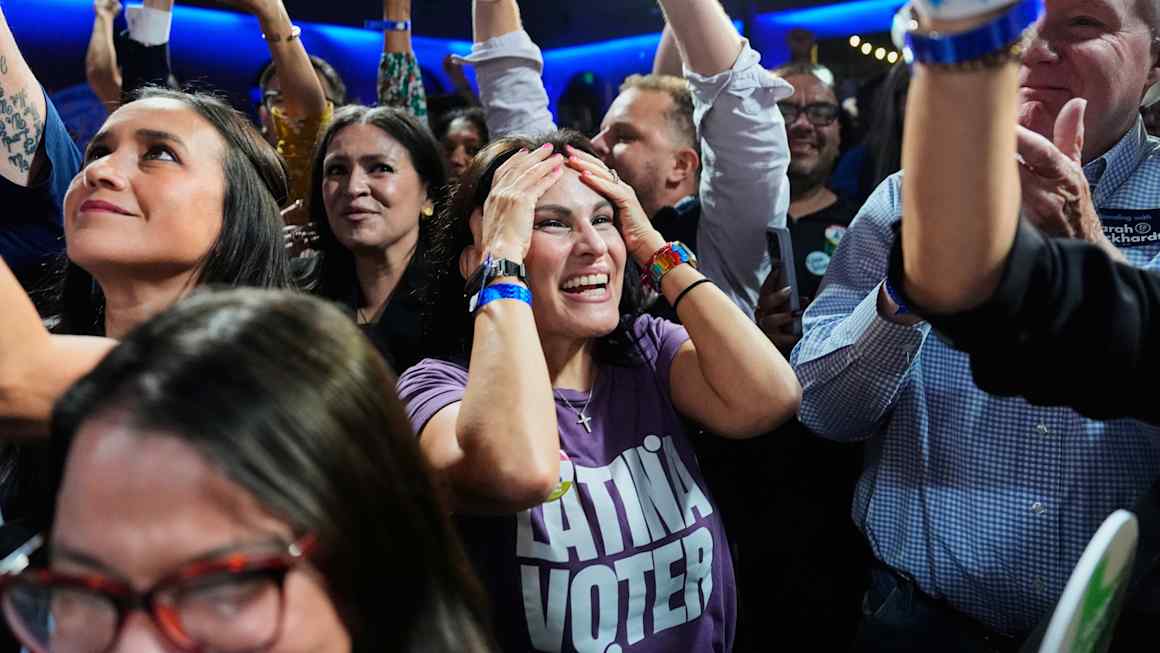
For many New Yorkers, the election results resonate on a personal level. Community leaders and activists have expressed hope that a Democratic-controlled Congress will prioritize issues such as affordable housing, healthcare access, and education reform. “This election was about more than just party lines; it was about the future of our communities,” said Maria Gonzalez, a local activist. “We need leaders who understand the struggles of everyday people and are committed to making real change.”
These sentiments reflect a broader desire among constituents for a government that listens and responds to their needs. As families navigate the complexities of life in the city, the hope is that the new Congress will bring about policies that foster stability and growth within neighborhoods. Local organizations, such as the New York Community Trust, are already mobilizing to advocate for policies that reflect these priorities, emphasizing the need for a robust response to housing insecurity and healthcare disparities.
Looking ahead, the implications of the midterm elections for U.S.-European relations are significant. With a Democratic majority, there is potential for renewed dialogue on critical issues such as climate policy, trade agreements, and security cooperation. The Biden administration is expected to continue its efforts to rebuild alliances that were strained during the previous administration.
European leaders are keen to engage with the U.S. on climate initiatives, particularly in light of the recent commitments made at the COP26 summit. The expectation is that a collaborative approach will emerge, with both sides recognizing the urgency of addressing climate change and its global impacts. Additionally, there are discussions around the need for a coordinated response to global health challenges, especially in the wake of the COVID-19 pandemic.
As the dust settles from the elections, community engagement will be crucial in shaping the direction of local and national policies. Grassroots organizations are mobilizing to ensure that constituents remain informed and involved in the political process. “We need to hold our elected officials accountable,” said James Thompson, a community organizer. “It’s not enough to vote; we must advocate for our needs and push for policies that reflect our values.”
This commitment to civic engagement reflects a broader understanding of the importance of active participation in democracy. As families and individuals come together to advocate for change, the hope is that the new Congress will be receptive to their voices and prioritize the well-being of their constituents. Local initiatives, such as town hall meetings and community forums, are being organized to facilitate dialogue between residents and their representatives, ensuring that community concerns are front and center in legislative discussions.
The implications of the midterm elections extend beyond party politics; they represent a critical juncture for American democracy. In a time when polarization seems to dominate the political landscape, the Democratic victory offers a glimmer of hope for a return to more collaborative governance. For communities like those in New York City, this shift could translate into tangible improvements in daily life, from enhanced public services to increased investment in local infrastructure.
Moreover, the results may inspire similar movements across the globe, where citizens are yearning for change and a break from the status quo. The focus on democratic values and collective action resonates with many who feel disenfranchised and disconnected from their political systems. As local leaders emphasize the importance of grassroots activism, the potential for a revitalized civic engagement movement is palpable.
The recent midterm elections have ushered in a new chapter for the United States, one that holds promise for both domestic progress and international cooperation. As New Yorkers embrace the results, there is a collective sense of hope that the Democratic leadership will prioritize the needs of families and communities. With a focus on stability, unity, and shared values, the path forward looks brighter, fostering an environment where the American dream can thrive. The journey ahead will require vigilance and active participation from all citizens, ensuring that the democratic ideals upon which the nation was built continue to flourish.